What Is Aspect Ratio and Why It Matters
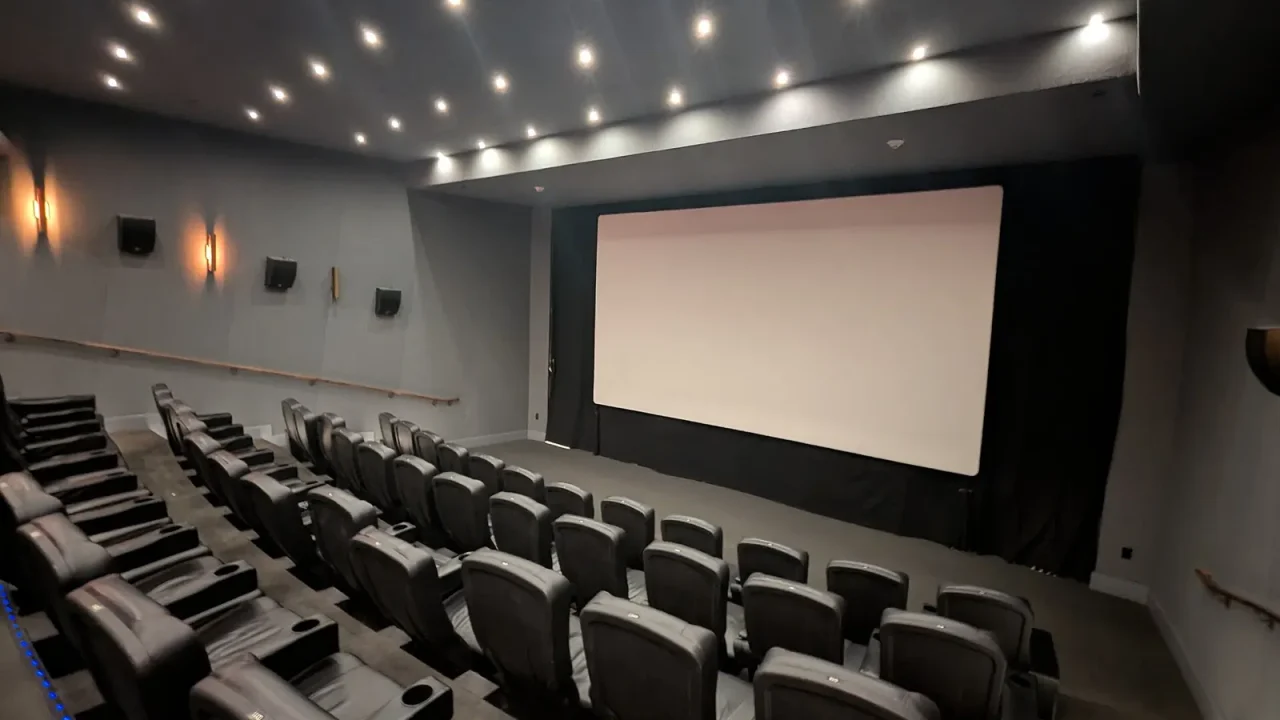
Aspect ratio is the shape of a picture, expressed as its width compared to its height. A ratio such as 16:9 means that for every 16 units across, there are 9 units up. It matters because it changes how filmmakers compose shots and how a movie fits on your screen.
Understanding the Numbers
Aspect ratios are written either as two whole numbers (like 4:3) or as a single decimal, such as 2.39:1, where the second number is simply understood to be one. A larger first number means a wider, more rectangular frame. A number close to one means a squarer frame.
It has nothing to do with resolution, which counts pixels. Two pictures can have different sharpness yet identical shape. If you want to learn about sharpness, see 4K vs 1080p.
Common Aspect Ratios
| Ratio | Shape | Where you commonly see it |
|---|---|---|
| 4:3 (about 1.33:1) | Nearly square | Older television and early cinema |
| 1.85:1 | Moderately wide | Many standard theatrical films |
| 16:9 (about 1.78:1) | Wide | Modern televisions and online video |
| 2.39:1 | Very wide | Widescreen epics and action films |
| 9:16 | Tall and narrow | Videos made for phones held upright |
Early cinema settled on a squarish frame, which is part of the story told in a short history of silent cinema. Wider shapes later became a way to make theaters feel grander compared with the small screens at home.
Why Filmmakers Choose a Shape
The frame is the canvas, and its shape influences every composition.
Wide frames
A very wide picture suits landscapes, crowds and horizontal movement. It can also make a lone figure look isolated, because empty space surrounds them. Placing two people at opposite edges creates visual tension between them.
Taller or squarer frames
A squarer picture feels more intimate. It fits a single face or a tall building neatly, and it leaves less room for background. Some filmmakers choose it to create a closed-in, personal atmosphere.
Changing ratios mid-film
A few films switch shapes during the story to separate past from present, or ordinary life from something special. Because the change is noticeable, it works like a quiet signal to the audience. These choices connect to the shot-by-shot language covered in camera shot types explained.
Why You See Black Bars
When the shape of a film does not match the shape of your screen, something has to give. There are three options.
- Letterboxing: black bars appear above and below a wide picture on a taller screen.
- Pillarboxing: black bars appear at the sides of a squarer picture on a wider screen.
- Cropping or stretching: the picture is cut or distorted to fill every edge.
Bars may look like wasted space, but they actually show the full image the creators framed. Cropping removes information, and stretching makes faces and circles look wrong.
How to Get the Best Viewing Experience
- Set your TV or player to display the original ratio, often labeled something like “original,” “native” or “just scan.”
- Avoid zoom and stretch modes unless you have a specific reason.
- Accept the bars. They are the cost of seeing the whole composition.
- Check that your viewing app has not forced a different format.
Settings like these are part of broader tweaks you can make without spending money, as covered in how to improve TV picture without buying anything.
The Takeaway
Aspect ratio is a creative decision, a technical standard and a practical annoyance rolled into one. Once you understand it, black bars stop being a mystery and become evidence that your screen is respecting the filmmaker’s frame.
Aspect Ratio in Everyday Media
Aspect ratio does not only apply to movies. Photographs, video clips, social media posts and computer monitors all have their own shapes. Content made for one format can look awkward in another, which is why creators often prepare several versions of the same material.
Streaming services and broadcasters usually deliver video in the shape that suits most televisions, and they may add black bars to films that were shot differently. Phones held upright show vertical video in full, but the same video on a wide screen is surrounded by empty space.
A Simple Experiment
Try watching the same trailer in a small player and then in full screen. Notice whether bars are present at the top, bottom or sides. Then think about why the filmmaker may have chosen that frame, and what a different shape would have changed about the scene.
Frequently Asked Questions
What does aspect ratio mean?
It is the proportion of an image’s width to its height, usually written as two numbers such as 16:9.
Why are there black bars on my TV?
Black bars appear when the picture’s shape does not match your screen’s shape. They preserve the full image instead of stretching or cropping it.
Is widescreen better than a squarer picture?
Neither is better. Each shape suits different compositions, and filmmakers choose the one that fits their story.
Should I use zoom or stretch modes to fill the screen?
Usually not. Those modes either crop away parts of the picture or distort shapes, so the original framing is generally the better choice.