A Short History of Silent Cinema
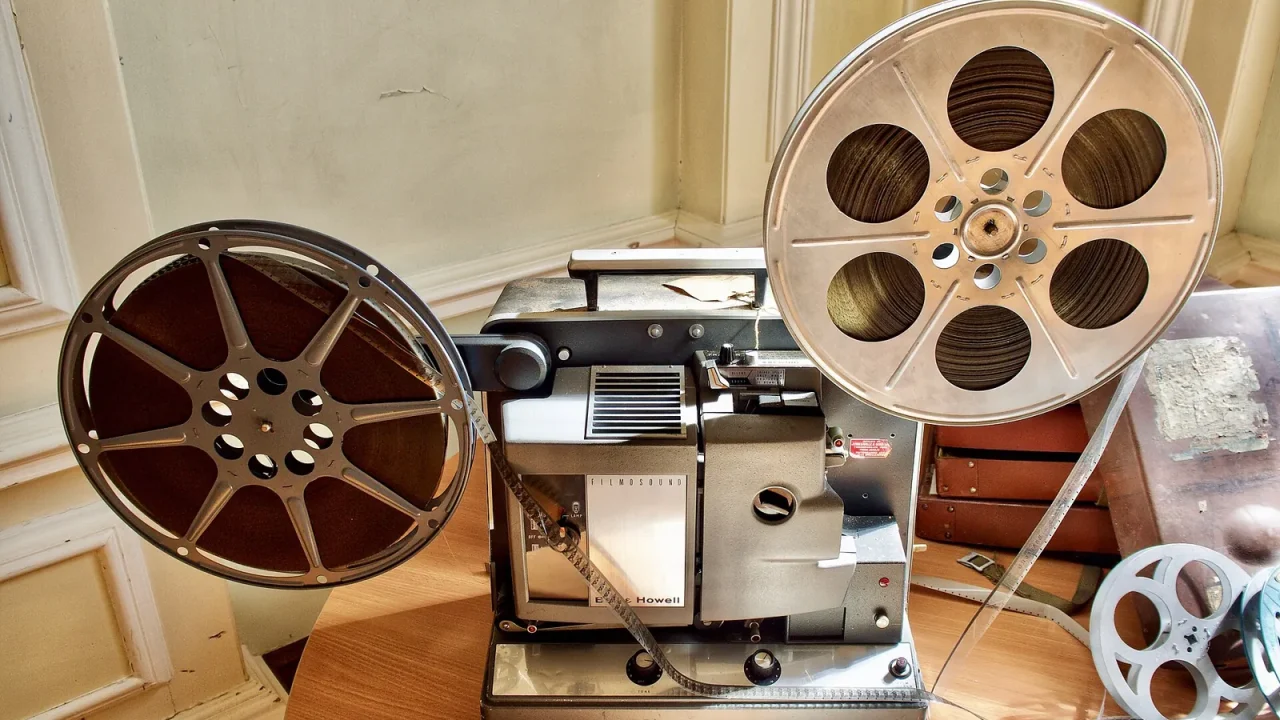
Silent cinema is the era of motion pictures made before synchronized recorded dialogue became standard, running from the 1890s to the late 1920s. In that span, filmmakers worked out most of the basic grammar of movies: editing, camera movement, close-ups and the idea of telling a story with pictures alone.
The Earliest Years: Novelty and Wonder
The first films were brief moving snapshots, often a single shot of a train, a street or workers leaving a factory. Audiences were amazed simply to see motion on a screen. Public paid screenings in the mid-1890s turned this curiosity into a business, and traveling showmen carried films from town to town.
Soon filmmakers realized the camera could do more than record. Georges Méliès used stop tricks, painted sets and double exposures to create fantasy, and his A Trip to the Moon remains one of the best-known early films. Meanwhile, American filmmakers such as Edwin S. Porter were experimenting with cutting between locations to build a chase.
How Silent Films Were Made and Shown
Early cameras were often hand-cranked, so the speed of filming could vary. Projection speeds varied too, which is one reason older films sometimes look jerky or hurried today. Lighting was a mix of sunlight, glass-roofed studios and, later, powerful electric lamps.
Intertitles and live music
Dialogue and plot points appeared on intertitle cards. Music was provided in the theater, and larger venues might have an organ or orchestra following a cue sheet. No two screenings sounded exactly alike.
Acting for the camera
Performers relied on posture, gesture and facial expression. Styles ranged from broad stage-like movement to the quieter, more natural approach that developed as close-ups became common.
Key Movements and Styles
By the 1910s and 1920s, different countries were developing distinct approaches. The table below summarizes a few well-known ones.
| Tradition | Typical features | Often-cited example |
|---|---|---|
| Slapstick comedy | Physical stunts, chases, precise timing | Films of Buster Keaton and Charlie Chaplin |
| American narrative drama | Cross-cutting, epics, close-ups | Work of D. W. Griffith |
| German Expressionism | Distorted sets, stark shadows, dark themes | The Cabinet of Dr. Caligari |
| Soviet montage | Rhythmic, idea-driven editing | Battleship Potemkin |
These styles echo through later cinema. The shadowy look of Expressionism, for example, helped shape the visual mood that later appeared in film noir, and Soviet montage fed modern ideas about how editing shapes a story.
The End of the Silent Era
In the late 1920s, synchronized sound arrived and the industry changed within a few years. Many silent films were neglected afterward, and a large share of them no longer survive, which is why film archives and restoration work matter so much. For the other side of this story, see how sound changed the movies.
How to Watch Silent Films Today
A little preparation makes the experience far more enjoyable. Try this checklist.
- Choose a restored version with a score composed or compiled for it.
- Begin with a short comedy before moving to a longer drama.
- Watch on a good screen in a dim room, with your phone away.
- Read intertitles at your own pace and pay attention to faces and hands.
- Expect slower rhythms and bigger gestures, and let them settle in.
Treat the first few films as an adjustment period. Once your eye adapts, the visual inventiveness is often striking.
Why the Silent Era Still Rewards Attention
Because there was no spoken dialogue to lean on, silent filmmakers had to make every image count. Framing, movement, props and rhythm did the work that speech does today. Watching these films trains your eye and makes modern movies easier to read.
The period also shows how quickly an art form can mature. In barely three decades, cinema moved from single-shot curiosities to long, ambitious features with stars, special effects and elaborate sets. Many techniques that feel modern, such as the close-up, the tracking shot and the cutaway, were already familiar by the end.
Preservation and rediscovery
Early film stock was fragile, and studios did not always treat old titles as valuable. Archives, collectors and restorers have since rescued many works, sometimes from unexpected places. New scores and careful repairs continue to bring older films back in front of audiences, so a film that seemed lost can reappear.
This is general information only. Availability, restoration status and public-domain status of particular films vary, so check official archives or rights holders before copying or screening a film publicly.
Frequently Asked Questions
Were silent films really silent?
No. They were almost always shown with live music, from a single pianist to a full orchestra, and sometimes with sound effects or a narrator in the room.
Why were silent films shot in black and white?
Black-and-white film stock was the practical standard at the time. Some prints were tinted or toned by hand or chemically to add mood, but natural color photography was not yet common.
What is an intertitle?
An intertitle is a card of text inserted between shots to deliver dialogue, explain a scene or give a date or place. It let stories be told without recorded speech.
Where should a beginner start with silent films?
Start with short comedies or well-known features, which move quickly and rely on clear visual storytelling. Restored editions with good music scores are the most welcoming.