How a Film Gets Made: From Idea to Screen
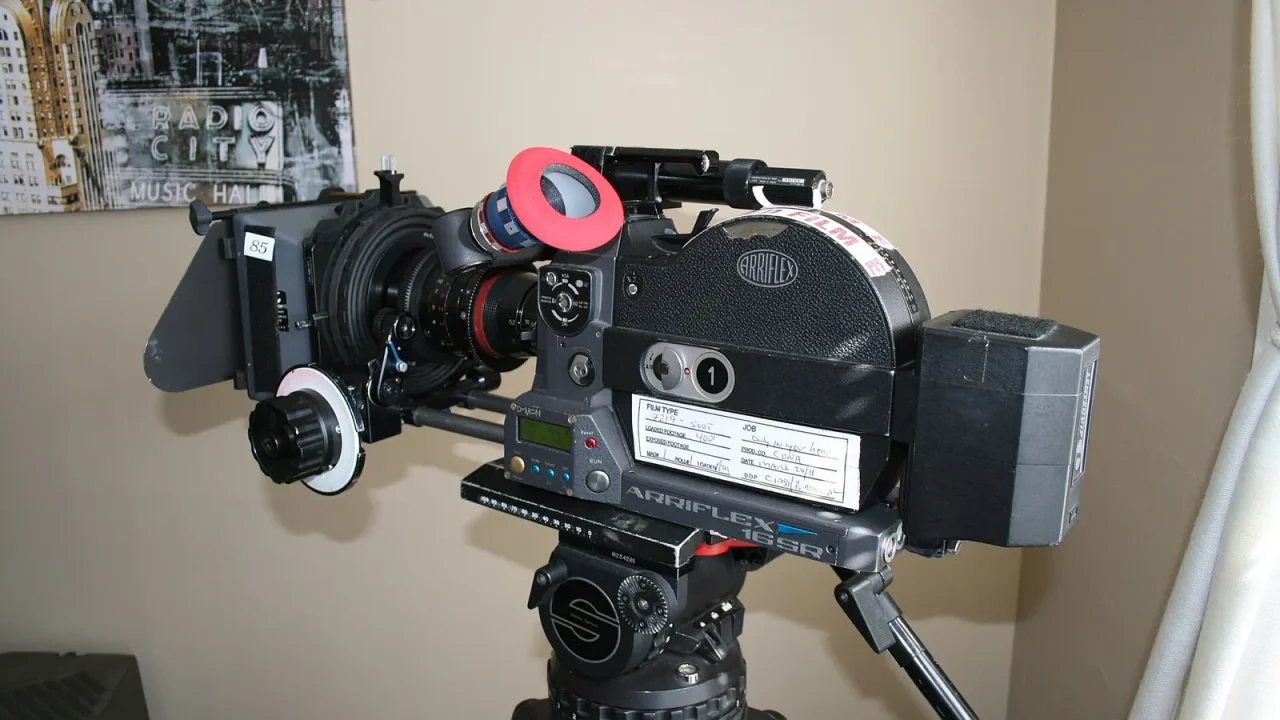
A film gets made in five broad stages: development, pre-production, production (the shoot), post-production and release. Each stage turns a loose idea into something more concrete, until a finished picture reaches an audience.
Stage 1: Development
Everything starts with an idea. It might come from an original story, a book, a true event or a short pitch written on a single page. During development, writers shape that idea into a treatment (a short prose summary) and then into a full screenplay. If you want to understand how scripts look on the page, our guide to reading a screenplay covers the basics.
This is also when producers try to attach key people, such as a director or lead cast, and secure money to continue. Many projects stall here. Plenty of ideas are written but never shot.
Stage 2: Pre-Production
Once a film has a script and a green light, the planning becomes detailed. Pre-production is where the practical questions get answered: where will each scene be shot, who will perform it, and how many days will it take?
What happens in pre-production
- Casting actors and hiring the main crew
- Scouting and securing locations or building sets
- Breaking the script into scenes and creating a shooting schedule
- Drawing storyboards or shot lists so the director and camera team share a plan
- Planning costumes, props, transport and safety arrangements
Good preparation saves time later. A day on a shoot is expensive in effort and resources, so the aim is to arrive knowing what you need to capture.
Stage 3: Production
Production is the part people picture: cameras, lights, actors and the call of “action.” Scenes are rarely filmed in story order. Instead, they are grouped by location, actor availability or lighting needs, which is more efficient even if it feels backward.
A typical day involves rehearsing a scene, lighting it, filming several angles and repeating the action for each. The variety of angles is what lets editors build the finished scene later. If you are curious about the choices behind those angles, see camera shot types explained. The people behind each task are covered in who does what on a film set.
Stage 4: Post-Production
When filming wraps, the material goes into post-production. This stage is longer than many viewers expect, because several jobs happen in sequence and in parallel.
| Post-production task | What it does |
|---|---|
| Picture editing | Selects and arranges shots into scenes and a full-length story |
| Sound editing and mixing | Cleans dialogue, adds effects and balances all audio |
| Music | Adds a score or chosen songs that support the mood |
| Visual effects | Adds or fixes elements that could not be captured on camera |
| Color work | Matches shots and sets the overall look |
Editing is where the film is truly shaped, which is explored in how film editing shapes a story. It is common for the order of scenes, or even the focus of the story, to change significantly in the edit.
Stage 5: Release
A finished film still needs to reach viewers. Distribution decisions cover where it will play: theaters, festivals, television, streaming services or a mix. Marketing material such as trailers is prepared, and the film is delivered in the technical formats each platform requires, including subtitles and accessibility versions.
A Quick Checklist of the Whole Journey
- An idea is chosen and written up as a script.
- Funding and key creative people are secured.
- The crew plans schedules, locations and shots.
- The film is shot, usually out of story order.
- Picture, sound, music, effects and color are completed.
- The film is delivered and released to audiences.
Why the Process Matters to Viewers
Knowing the pipeline makes watching more rewarding. A smooth scene may be the product of weeks of planning, dozens of takes and long hours in an editing room. Nothing on screen is accidental, even when it looks effortless.
Where Things Commonly Go Wrong
Even well-organized projects meet obstacles. Weather can disrupt an outdoor day, a location can fall through, or a scene can simply fail to work once it is filmed. Crews build in extra time and backup plans, but surprises are part of the craft. Problems are often solved creatively, which is why some of the most memorable moments in cinema began as improvised fixes.
Communication is the thread that holds everything together. Daily call sheets, production meetings and reviews of the previous day’s footage keep every department aligned. When people understand what the others need, the whole process runs more smoothly and the finished film feels more unified.
Small independent projects follow the same path on a lighter scale. A short film made by a handful of friends still needs an idea, a plan, a shoot, an edit and a way to share the result.
This article offers general information only. For questions about funding, contracts or rights on a real project, consult official sources and qualified professionals.
Frequently Asked Questions
How long does it take to make a film?
It varies enormously. Some small projects finish in months, while large productions can take years from first idea to release, with development and post-production often taking longer than the shoot itself.
What is the difference between pre-production and production?
Pre-production is all the planning done before cameras roll, such as casting, scheduling and location scouting. Production is the shooting period itself.
Why is post-production so long?
Editing, sound, music, visual effects and color work all happen after filming, and each depends on the others. Many rounds of review are normal.
Does every film follow the same process?
The stages are broadly similar, but the order, length and size of the crew change a lot between a short student film and a large studio release.