Sound Design: The Half of Film You Hear
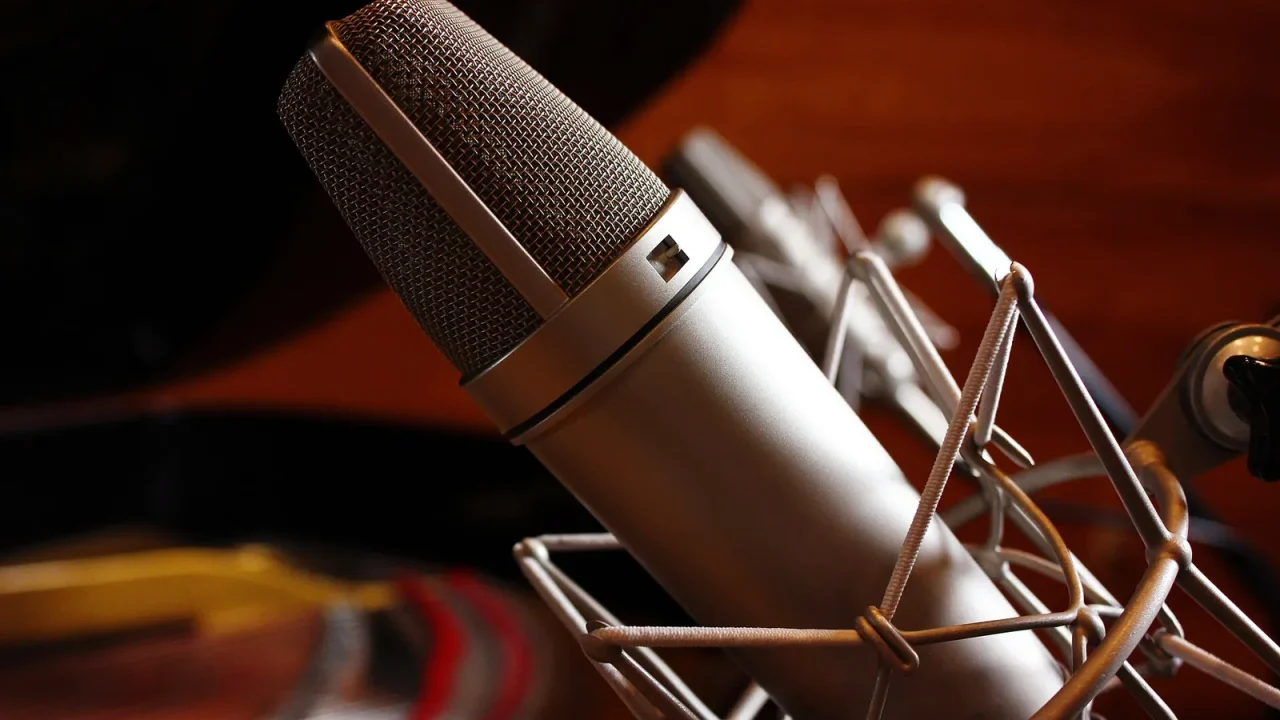
Sound design is the craft of creating and combining everything you hear in a film, from effects and ambience to the final balance with dialogue and music. It shapes mood and believability, often without the audience consciously noticing.
Why Sound Matters So Much
Picture grabs attention, but sound builds feeling. A quiet room with a faint hum feels different from the same room in silence. A scary scene can lose its power when its audio is muted, and a simple scene can become tense with just a low rumble. Because viewers tend to look first and listen second, sound can guide emotion subtly. The history of this craft is explored in how sound changed the movies.
The Main Layers of a Film Soundtrack
A finished soundtrack is built from several layers that work together.
Dialogue
Spoken words are usually the priority. Most dialogue is recorded on set by the sound team. If something goes wrong, actors may re-record lines later in a studio, a process called ADR. Editors then smooth these recordings so they match the room and the performance.
Sound effects
Effects include doors, engines, weather and anything else that makes a noise. Some are recorded from real life, some are collected from libraries and many are made by combining several recordings. The sound you hear for a fantastical creature is often built from ordinary animal and mechanical sounds layered together.
Foley
Foley artists perform small sounds in time with the picture, such as footsteps, cloth movement and handling objects. Because these sounds are recorded in a studio, they can be tuned to suit the scene exactly. They give characters physical presence.
Ambience
Ambience, or background atmosphere, is the continuous sound of a place: traffic, wind, a distant crowd. Without it, scenes feel strangely empty. With it, a location feels lived in.
Music
Music, whether a composed score or chosen songs, adds emotion and rhythm. A good mix leaves room for it so it enhances rather than competes with speech.
| Layer | Typical source | Main job |
|---|---|---|
| Dialogue | Set recording and ADR | Carry story and character |
| Effects | Recorded or layered sounds | Make events believable |
| Foley | Studio performance | Add physical detail |
| Ambience | Location recordings | Set the sense of place |
| Music | Score or songs | Shape emotion |
The Mix
The final step is the mix, where a mixer balances volume, placement and tone. Sounds are positioned across speakers so a car can seem to pass from left to right. Loud moments are set against quiet ones to create contrast. Mixing also prepares the film for different playback situations, from large theaters to small speakers. If you want to improve what you hear at home, see soundbar vs speakers.
The Power of Silence
Silence is a deliberate choice. A sudden drop in sound can make a moment feel shocking, or let a character’s emotion land without distraction. Because audiences are used to constant noise, absence stands out.
Listening Like a Filmmaker
- Close your eyes during a familiar scene and note how much information you still get.
- Count the layers: voices, footsteps, room tone, music.
- Notice when music starts or stops and what that changes.
- Pay attention to sounds from off screen that suggest a world beyond the frame.
- Compare the first and last minutes of a film for shifts in soundscape.
Where Sound Fits in Production
Recording on set is handled by the sound department, while the heavier creative work happens after filming. You can see where sound sits among other crafts in who does what on a film set. Being aware of it can change how you experience even familiar films.
Sound Without Source
Filmmakers separate sounds into two broad kinds. Diegetic sound comes from the world of the story, such as a radio playing in a room that the characters can hear. Non-diegetic sound exists only for the audience, like a score swelling behind a quiet scene. Filmmakers sometimes blur the two on purpose, letting a sound begin in the story world and drift into the score.
Subjective Sound
Sound can also reflect a character’s state of mind. Muffled audio after an impact, or a faint ringing, places us inside their experience. A loud room can fade to a whisper when a character focuses on one person. These choices put the audience inside a point of view, much like a close-up does in the image.
Next time you watch, try listening for these shifts. They show how much storytelling is carried by sound alone.
Frequently Asked Questions
What is sound design in film?
It is the creation and arrangement of all non-musical sounds in a film, such as effects, atmosphere and sound textures, often working together with dialogue and music.
What is Foley?
Foley is the craft of performing everyday sounds, like footsteps or rustling clothes, in sync with the picture after filming.
What is the difference between sound design and sound mixing?
Design creates and selects the sounds, while mixing balances their volume, position and tone so everything works together.
Why is dialogue sometimes re-recorded?
Actors may re-record lines in a studio, a process called ADR, when on-set noise or technical problems make the original audio unusable.