How Film Editing Shapes a Story
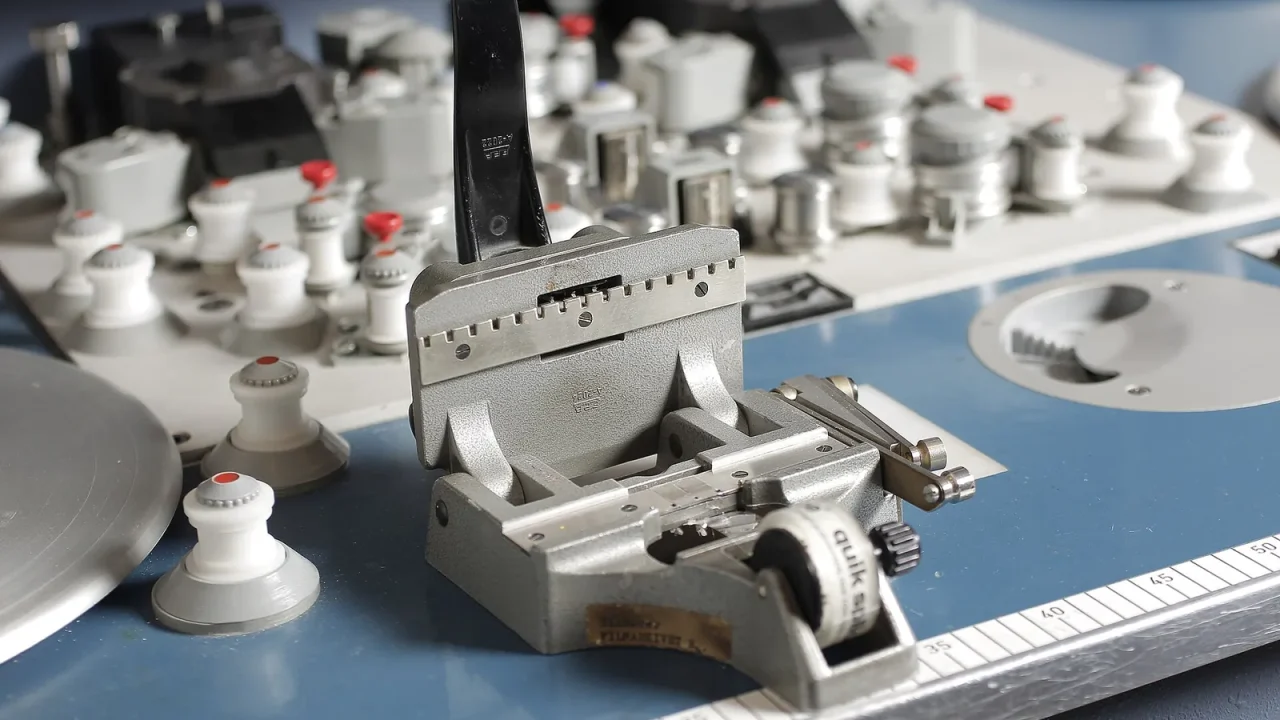
Film editing is the craft of selecting shots and arranging them into scenes and a complete story. Through the order, length and pairing of images, editors control pacing, emotion and meaning, often more than viewers realize.
What an Editor Actually Does
After filming, an editor receives hours of footage, often many versions of the same moment. Their job is to choose the strongest performances and shape them into a clear, engaging whole. That means deciding what to keep, what to trim and what to remove entirely, even when it was expensive or difficult to shoot.
It is less about technical button pushing and more about storytelling judgment. Editors ask what the audience should know at each moment, and how to deliver it.
The Cut and Other Transitions
The cut is the simplest transition: one shot ends and the next begins instantly. Most of what you watch uses cuts, and good ones are almost invisible. Other common transitions include:
- Fade: the image slowly goes to or from black, often marking a pause or ending.
- Dissolve: one image gradually blends into another, suggesting time passing or a link between ideas.
- Wipe: a visible shape or line pushes one image off the screen, a stylized, playful choice.
- Match cut: two shots with a similar shape or movement connect different moments or places.
Pacing and Rhythm
Shot length sets the heartbeat of a scene. Quick cuts can create energy or panic. Long takes slow things down and let viewers study the frame. Neither is better, and both can be wrong for a given moment. Editors often vary rhythm so the audience does not tire, giving quiet passages after intense ones.
Sound matters here too. A cut often lands on a sound cue, and dialogue can overlap the picture so a conversation flows across different shots. For more on audio, see sound design, the half of film you hear.
Continuity Editing
Many films use continuity editing, a method that keeps action clear and logical. If a character walks out of the frame to the right, they should usually enter the next shot from the left, so the direction feels consistent. Another guideline keeps the camera on one side of two people talking, so their positions on screen do not flip confusingly.
These habits are conventions, not laws. Some filmmakers break them deliberately to disorient or provoke. The shot variety editors work with is explained in camera shot types explained.
How Editing Creates Meaning
Place a close-up of a face next to a shot of food, and the viewer reads hunger. Place the same face next to a shot of a coffin, and the viewer reads grief. The pairing, not the face, supplies the feeling. Early film theorists were fascinated by this effect, and it still underpins modern storytelling.
| Editing choice | Likely effect |
|---|---|
| Rapid short shots | Excitement, chaos, urgency |
| Long unbroken shots | Calm, tension, immersion |
| Cross-cutting between places | Suspense and a sense of simultaneous events |
| Montage | Compressed time or a change over many moments |
| Cutting on a reaction | Emphasizes emotion and consequence |
The Editing Process in Stages
- Organize and review all footage, labeling the best takes.
- Assemble a rough cut that follows the script in order.
- Refine it into a tighter version, adjusting scenes and pacing.
- Share it with the director and producers, then revise based on feedback.
- Lock the picture, so sound, music, effects and color can be finished.
The last step ties into the wider journey described in how a film gets made from idea to screen.
What to Watch for Next Time
Try watching a favorite scene with the picture in mind rather than the plot. Notice when the cuts happen, what the film chooses to show you and what it hides. You will likely find that the most effective editing is the kind you almost never feel.
Editing Beyond the Picture
Editing is not limited to images. Sound editors and music editors make their own cuts, and the best results come when picture and audio decisions support one another. A scene may cut early to let a line of dialogue carry into the next shot, creating a smooth, natural link between moments.
Common Editing Mistakes to Notice
Even experienced teams run into problems. Scenes may run too long because a favorite moment was hard to give up. Important information may be repeated, or an unclear cut may leave viewers confused about where characters are. Editors often watch with fresh eyes, or show the film to test audiences, to catch what the team has become too familiar with to notice.
Many filmmakers say the film is written three times: on the page, on the set and in the edit. That saying reflects how much the final story depends on choices made in the editing room.
Frequently Asked Questions
What does a film editor do?
An editor selects the best footage and arranges it into scenes and a complete story, deciding the order, timing and rhythm of every shot.
What is a cut in film?
A cut is the point where one shot ends and another begins, and it is the most common transition in film and television.
What is continuity editing?
It is a style that joins shots so time and space feel smooth and logical, helping viewers follow action without noticing the edits.
Can editing change the meaning of a scene?
Yes. The same footage can feel funny, tense or sad depending on the order, length and pairing of the shots.