How Sound Changed the Movies
Sound changed the movies by making dialogue, music and effects part of the recording itself, which reshaped acting, camerawork, writing and which kinds of stories could be told. The shift took place between the late 1920s and early 1930s and altered nearly every part of the industry.
Before the Talkies
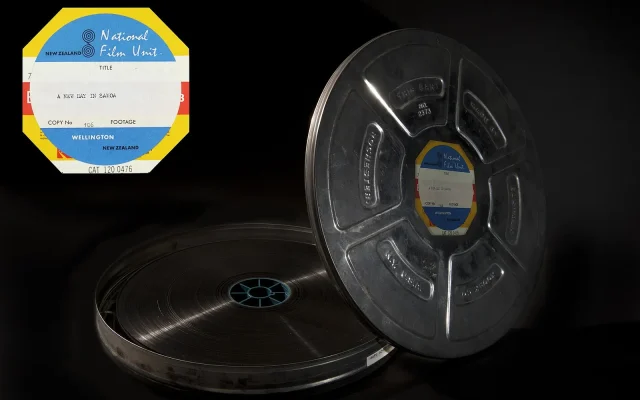
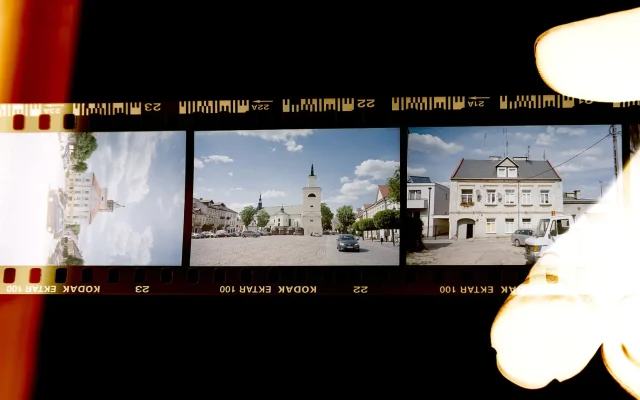
Silent films were never truly silent, since live musicians accompanied them. The challenge was keeping recorded sound in step with the picture. Inventors worked on this for years, and two broad approaches emerged: sound recorded on separate discs, and sound recorded as a track on the film strip. The film-strip method proved more reliable and won out. If you want the background, read a short history of silent cinema.
The Breakthrough Years
The Jazz Singer in 1927 caught the public imagination, and theaters rushed to install equipment. Within a few years most major productions had sound. The transition was costly, because theaters had to be wired and studios had to build soundproof stages.
What Changed on Screen
Cameras became still
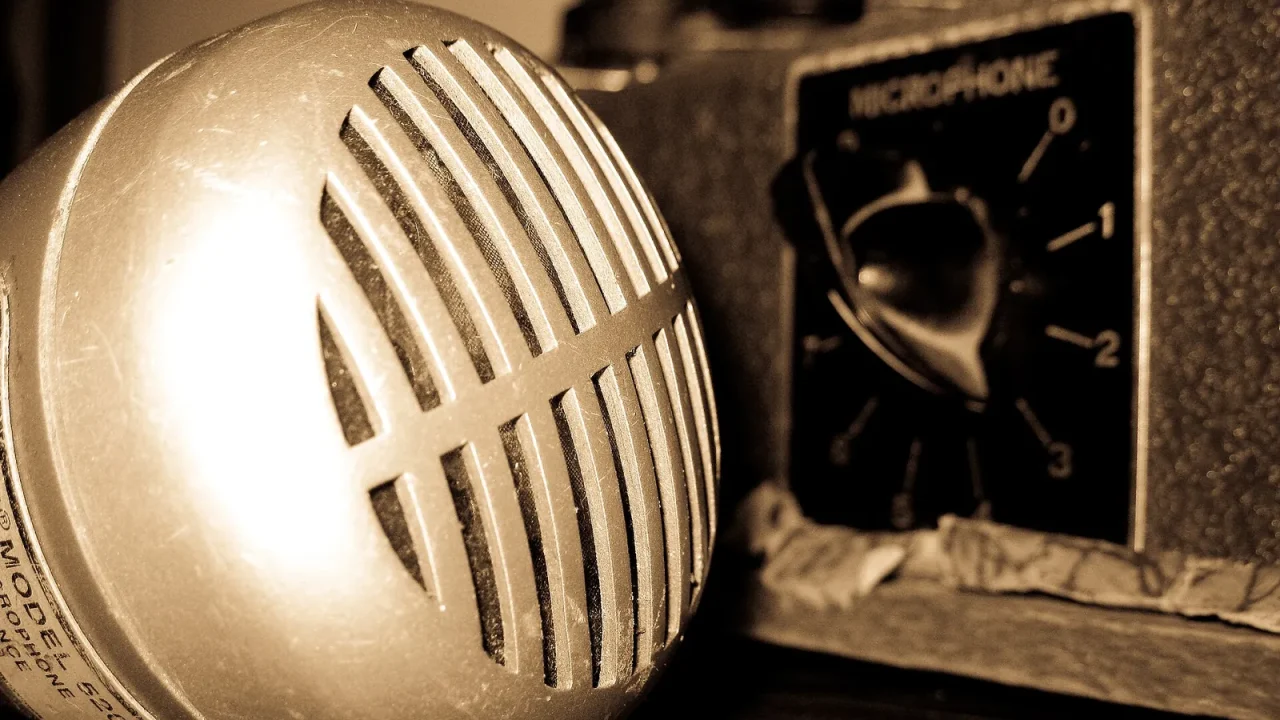
Early microphones captured every rustle, and cameras were noisy. Crews often sealed cameras inside booths, so the fluid movement of late silent films gave way for a time to static, stagey shots. Engineers soon developed quieter housings and more flexible microphones, and the camera became mobile again.
Acting and writing adapted
Dialogue brought new demands on performers. Stage actors with trained voices were in demand, and screenwriters learned to write talk that sounded natural. Visual storytelling did not vanish, but speech could now carry plot quickly.
New and revived genres
Musicals flourished almost at once, since the technology invited songs and dance. Fast-talking comedies and gangster films also thrived on punchy dialogue. These shifts fed the way film genres develop around what audiences enjoy.
Silent Versus Sound: A Comparison
| Aspect | Silent era | Early sound era |
|---|---|---|
| Story delivery | Images, gestures, intertitles | Spoken dialogue plus images |
| Music | Live, varied by venue | Recorded and identical in every showing |
| Camera | Often mobile, hand-cranked | Briefly restricted by noise |
| Language | Intertitles easy to translate | Spoken language created a new barrier |
That last point mattered: dubbing and subtitling became necessary for international audiences, a topic that connects to how to use subtitles and captions well.
The Long Legacy
Sound did more than add voices. Filmmakers learned that silence can be as striking as noise, that off-screen sounds suggest space and that music can steer emotion. Over time, sound design grew into its own art, explored further in sound design, the half of film you hear.
Things to Listen For When You Watch
- Early talkies: how still the camera is during conversations.
- Room tone: the quiet background hum that makes a space feel real.
- Sound effects that were added after filming.
- Moments where the music drops away on purpose.
- Dialogue clarity compared with modern films.
Comparing a film from 1925 with one from 1935 is a quick way to hear and see the change for yourself.
The Business and Craft Behind the Change
Beyond the screen, sound created whole new jobs. Studios hired sound engineers, composers for recorded scores and specialists who could create effects after filming. Footsteps, doors and rain were often recreated by artists performing the noises in sync with the picture, a craft that continues in modified form today.
Editing changed as well. Cutting a scene now meant paying attention to speech rhythm and overlapping noise as well as the picture. Directors discovered they could cut away from a speaker while the voice continued, joining two scenes through sound alone.
Why the transition was messy
Different theaters installed different systems, and some audiences, especially those who did not share the film’s language, found the change difficult. For a while, studios even made multiple versions of the same film. The adjustment was uneven, but within a few years sound was simply part of the medium, and most viewers stopped thinking of it as a novelty.
Hearing the difference yourself
A good exercise is to watch a late silent feature and an early talkie back to back. In the first, notice how the music sets the emotional temperature and how much information the faces carry. In the second, notice how often characters stand close together near a hidden microphone. Both are rich in their own way, and the comparison makes it clear that sound was not simply an upgrade but a different set of tools with its own strengths and limits.
Frequently Asked Questions
What was the first talking feature film?
The Jazz Singer, released in 1927, is the film most often credited as the breakthrough talkie, although it mixed synchronized songs and speech with silent passages.
Why did sound make cameras move less at first?
Early microphones were sensitive and cameras were noisy, so cameras were placed in soundproof booths. That limited movement until quieter housings and better equipment arrived.
Did sound end the careers of silent stars?
Some performers struggled with the new demands, but the idea that voices ended most careers is exaggerated. Many adapted, and others moved to different roles.
How does sound still shape film today?
Dialogue, music, effects and silence are designed together to guide emotion and attention. Sound design is now a major creative craft.