Who Does What on a Film Set
A film set is organized into departments, each led by a specialist who answers to the director and producers. The director shapes the creative vision, the producers keep the project running, and departments such as camera, lighting, sound, art and costume each handle one part of what you see and hear.
The Big Picture: Three Layers of Responsibility
It helps to think of a crew in three layers. The first sets the vision and the money. The second plans and coordinates the work. The third carries out the hands-on tasks in each craft. Roles overlap on small productions, where one person may cover several jobs, but the structure stays similar.
Leadership and Management
Producer
Producers handle the business and organizational backbone: arranging funding, hiring key people, approving schedules and solving problems. Larger projects have several kinds of producer with different levels of involvement.
Director
The director decides how the story is told visually and emotionally. They rehearse with actors, choose how scenes are covered and approve the final cut together with the producers. For an overview of the full timeline, see how a film gets made from idea to screen.
Assistant director
The assistant director is the person keeping the day on schedule. They call out instructions on set, organize the cast and crew, and make sure safety procedures are followed. It is a logistics job more than a creative one, and it is essential.
The Camera and Lighting Departments
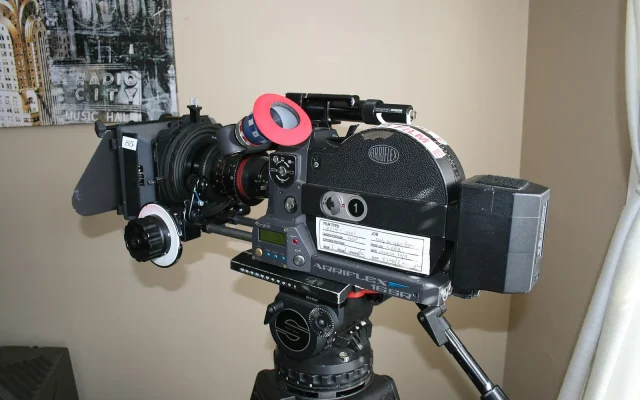
The cinematographer (also called director of photography) decides how scenes are framed and lit. They work closely with the director to translate the story into images. The choices made here connect directly to camera shot types.
- Camera operator: physically handles the camera during takes.
- Focus puller: keeps the subject sharp as actors or the camera move.
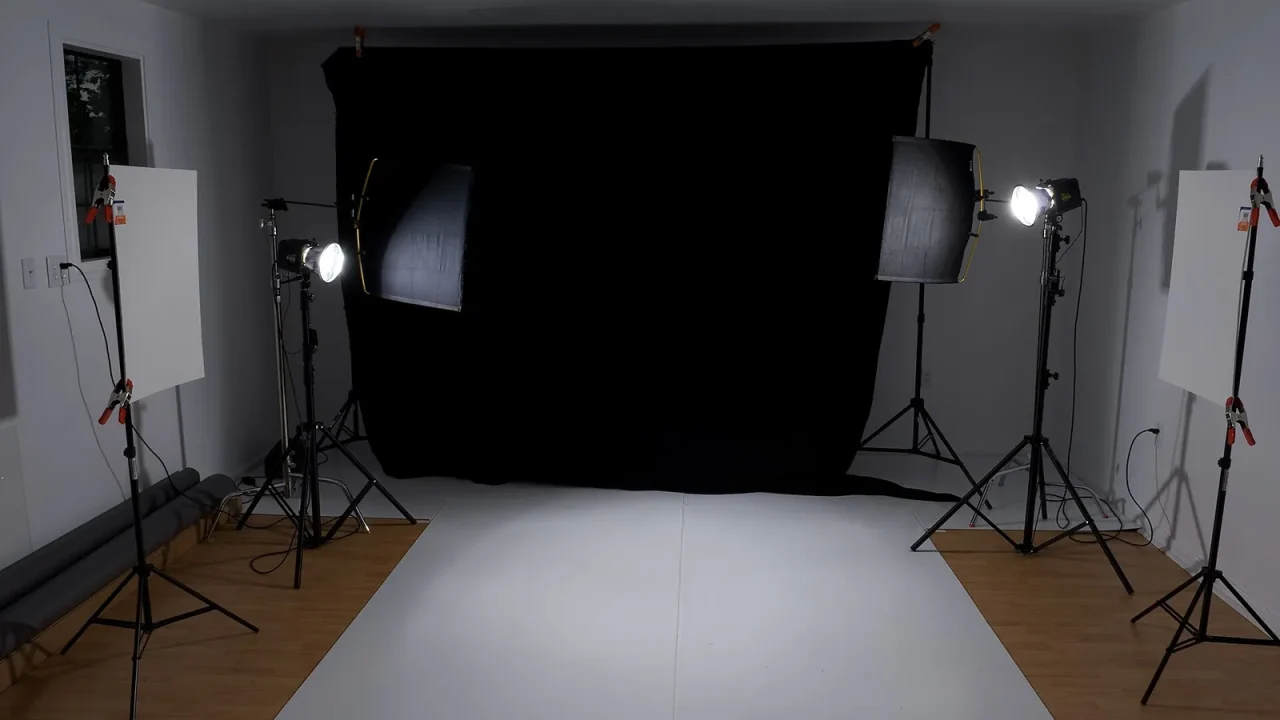
- Gaffer: leads the lighting crew and carries out the lighting plan.
- Grip: builds and moves the supports, rigs and flags that shape light and camera movement.
Sound on Set
The production sound mixer records dialogue and natural sound while filming. A boom operator holds a microphone on a pole just out of frame, positioning it close to the actors. Clean recording on set makes a huge difference later, a topic expanded in sound design, the half of film you hear.
Art, Costume and Makeup
The production designer oversees the overall look of sets and locations. Art department staff, set decorators and prop teams fill spaces with believable detail. Costume and makeup departments shape each character’s appearance, and they also keep track of continuity so that a coat or hairstyle matches from shot to shot.
Quick Reference Table
| Role | Main responsibility |
|---|---|
| Director | Creative vision and working with actors |
| Producer | Funding, planning and overall delivery |
| Assistant director | Schedule, order and safety on set |
| Cinematographer | Framing, camera and lighting style |
| Production sound mixer | Recording dialogue and on-set audio |
| Production designer | Visual look of sets and locations |
| Script supervisor | Continuity and records of each take |
The Unsung Support Roles
Many people never appear on screen yet keep the day moving. Production assistants run errands and manage access. The script supervisor tracks which lines and actions were filmed. Location managers deal with permissions and neighbors. Transport, catering and medical staff keep everyone safe and fed. If any of these links breaks, the whole day suffers.
How to Notice Crew Work as a Viewer
- Watch the end credits and note the department groupings.
- Pay attention to a single scene’s lighting and ask who shaped it.
- Listen for background sound and consider what had to be recorded or added.
- Look at costumes and sets for small details that tell you about a character.
How Departments Communicate
Information flows constantly on a set. Each morning the crew receives a call sheet, a document that lists the scenes planned, the people needed and the time everyone should arrive. Department heads then meet with the assistant director and the director to confirm priorities, and they pass instructions down to their own teams.
Short, clear radio messages keep things moving without raising voices. Certain phrases, such as asking for quiet before a take, are understood by everyone and prevent confusion. This shared language is one reason large crews can work so quickly.
Why Small Productions Look Different
On a student film or a low-budget project, one person may be the camera operator, lighting assistant and sound recordist all in the same day. The titles still describe the jobs that need doing, even when a single person covers many of them. Learning the roles is therefore a practical way to understand any production, large or small.
This is general information about typical roles; job titles and duties differ between productions. For career, contract or union questions, consult official sources and qualified professionals.
Frequently Asked Questions
What does a director do?
The director guides the creative vision of the film, working with actors and the camera team to decide how each scene looks, sounds and feels.
What is the difference between a director and a producer?
A director leads the creative side on set, while a producer oversees organization, funding and logistics so the project can actually be completed.
What is a gaffer?
The gaffer is the head of the electrical and lighting crew, carrying out the lighting plan set by the cinematographer.
Why are there so many people in the end credits?
Even modest films need many specialists across departments, from camera and sound to costumes, transport and catering, and credits list them all.