The Rise of Color in Film
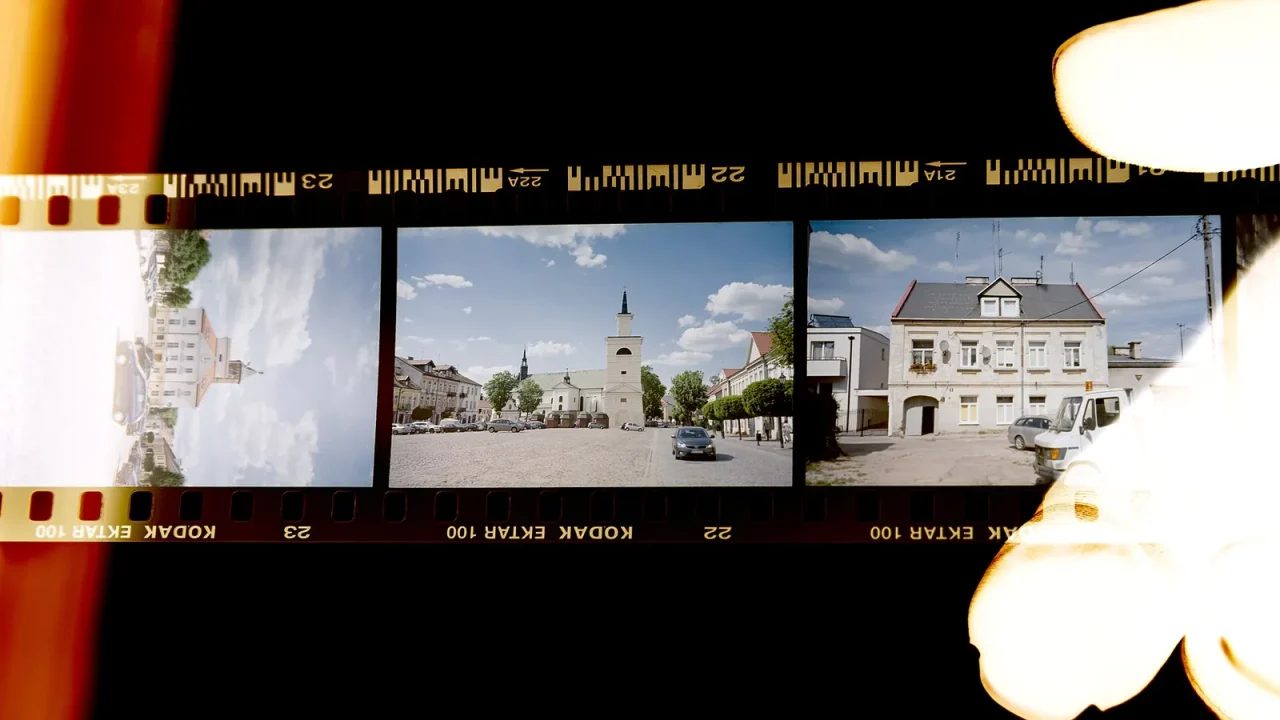
Color arrived in film gradually, starting with tinted and hand-painted prints in the earliest years, moving through the rich Technicolor era of the 1930s and 1940s and becoming standard once cheaper single-strip film spread in the 1950s. Today color is a deliberate artistic tool rather than a technical novelty.
Color Before Color Photography
Early cinema was not always black and white on screen. Workers painted frames by hand, sometimes one tiny image at a time, and later used stencils to speed up the job. Other prints were tinted by dyeing the whole strip, so a night scene might glow blue and a fire might look amber.
These methods suggested mood rather than realism. They also sat comfortably alongside the dramatic imagery found in silent cinema.
The Technicolor Era
True color photography needed a way to record the primary colors separately. Early systems used two color records, which gave limited tones. Later, a three-strip camera captured red, green and blue information on separate film strips, which were then combined in printing. The result was vivid, saturated color.
This process required bulky cameras, strong lighting and specialist support, so it was expensive. Studios reserved it for musicals, fantasies, adventures and prestige productions, and a few famous films from the late 1930s showed audiences what it could do.
How Color Became the Standard
Cheaper, more convenient single-strip color negative film appeared around the 1950s. It could be used in ordinary cameras and was easier to handle. At the same time, television was drawing audiences away from theaters, and color was a way to offer something grand on the big screen. Over the following decades, black and white shifted from default to deliberate choice.
| Stage | Method | Result |
|---|---|---|
| Early years | Hand-painting and stencils | Decorative color, labor-heavy |
| Silent era | Tinting and toning | One mood color per scene |
| 1930s to 1950s | Three-strip systems | Rich color, costly production |
| 1950s onward | Single-strip color film | Practical, widely adopted |
| Digital age | Digital capture and grading | Fine control of every tone |
Color as Storytelling
Once color became common, filmmakers began to use it for meaning. A palette can signal warmth, danger or loneliness. Costumes, sets and lighting are coordinated so a color echoes through a story. If you want to explore this further, our guide on what is color grading explains how colors are adjusted after filming.
Why some directors choose black and white
Monochrome can strip away distraction and emphasize shape, texture and light. Classics such as the shadowy crime films covered in what is film noir show how much mood black and white can carry.
What to Notice When You Watch
- Pick one color and track where it appears through the film.
- Compare how skin tones and skies look in older and newer movies.
- Notice whether the palette is bold and saturated or muted.
- Ask whether a color shift marks a change of place, time or mood.
Older films may look different from how they first appeared, as prints fade and restorations make choices. Watching a well-restored copy gives the fairest picture.
Restoration and the Question of Authenticity
Color in old films is a tricky subject because materials change over time. Dyes fade, and some film stocks shift toward a single dominant hue. Restorers study original prints, records and surviving materials to bring color closer to what audiences first saw, though judgment is always involved.
This is why the same classic can look noticeably different across editions. A warmer or cooler version is not necessarily a mistake, but it is worth knowing that the picture on your screen is the result of decisions made by people working decades after the film was shot.
Color and the viewing room
Your own setup affects what you see. Room lighting, screen settings and viewing angle all change how colors appear, so a film can feel different at home than in a theater. A dim room and sensible picture settings usually give the most faithful result.
A short comparison exercise
Choose a film from the early Technicolor period and a recent one, and compare how each treats a bright outdoor scene. Notice how strongly the older film saturates red and green, and how the newer one may keep tones softer or add a color cast for mood. This simple exercise makes the long journey from a costly novelty to a precise creative control easy to see, and it sharpens your eye for every film you watch afterward.
Screens vary in how they display color, and some viewers experience color differently. This is general information only; for concerns about vision or screen comfort, consult a qualified eye-care professional.
Frequently Asked Questions
Were early films all black and white?
Most were, but many silent prints were tinted, toned or hand-colored to suggest mood or time of day, so early cinema was not always colorless.
What was Technicolor?
Technicolor was a family of color processes, best known for a three-strip system that produced rich, saturated images in many classic Hollywood films.
Why did black and white last so long?
Black-and-white was cheaper, simpler and well understood. Color needed more light, more equipment and more money, so it spread gradually.
Do filmmakers still choose black and white?
Yes. Some filmmakers choose it for mood, period feeling or visual contrast, even though color is easy to use.