What Is Film Noir? Style, Themes and Where It Came From
Film noir is a style of crime filmmaking, strongest in 1940s and 1950s Hollywood, defined by shadowy lighting, cynical characters and stories in which fate and bad choices close in. The name is French for black film, and it was applied by critics looking back at these movies, not by the studios that made them.
Where Noir Came From
Noir grew out of several ingredients arriving together. Hardboiled crime fiction supplied tough dialogue and worn-out detectives. Filmmakers who had fled Europe brought the dramatic lighting habits of German Expressionism, which you can read about in our short history of silent cinema. Postwar anxiety and disillusion gave the stories a darker emotional pull.
Hollywood also had practical reasons. Many of these films were made on modest budgets, and shadows are a clever way to hide a cheap set.
The Visual Style
Noir is easy to recognize on screen once you know what to look for.
Lighting and framing
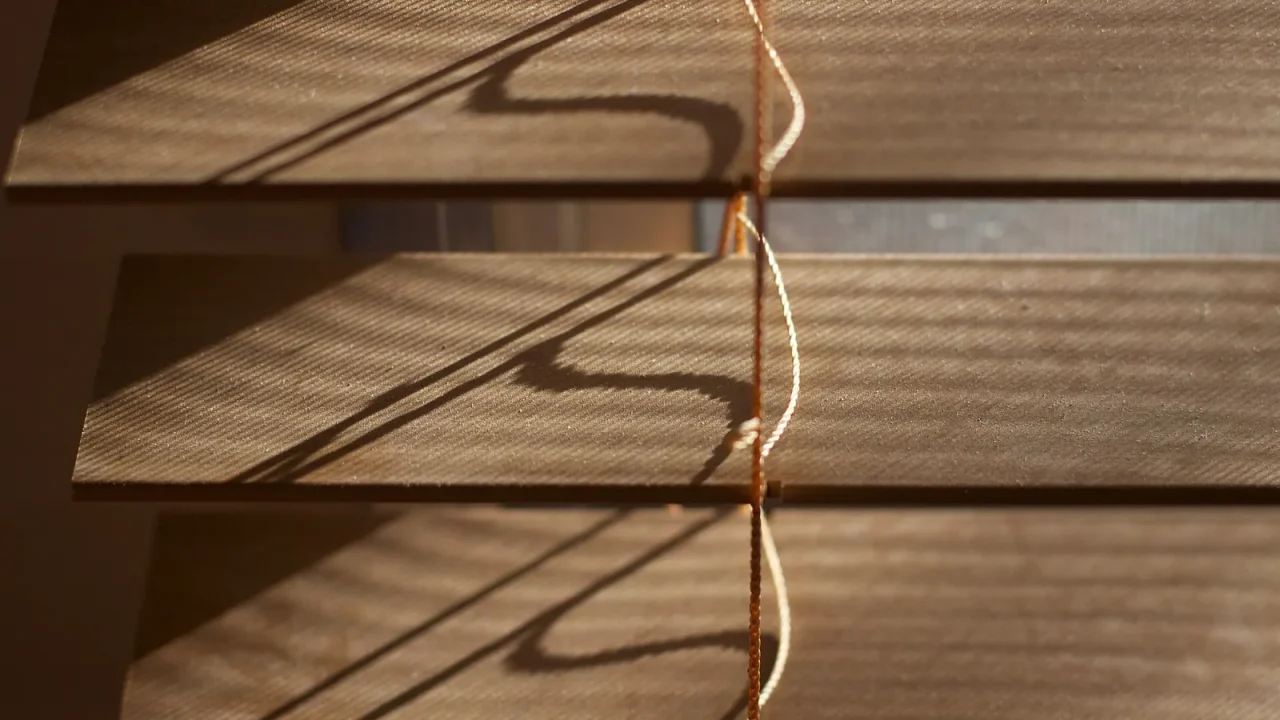
Low-key lighting leaves large areas of darkness. Light might fall through window blinds in stripes, or a single lamp might leave half a face hidden. Tilted camera angles and cramped compositions add unease.
Settings
Rain-slicked streets, smoky offices, apartment corridors and neon signs are classic locations. The city is often a trap rather than a playground.
Themes and Character Types
The mood is as important as the look. Noir stories tend to treat the world as morally murky, where good intentions fail and a single mistake can unravel a life.
| Element | What it usually looks like |
|---|---|
| The protagonist | A weary detective, ordinary person or schemer drawn into trouble |
| The femme fatale | A magnetic, dangerous figure who may be using or being used |
| Narration | First-person voiceover, often reflective and fatalistic |
| Structure | Flashbacks and a sense that the ending is already set |
| Outcome | Frequently bleak, with victory feeling costly or empty |
Well-known examples include The Maltese Falcon, Double Indemnity and Sunset Boulevard. Many critics treat Touch of Evil as a late classic of the cycle.
Noir After the Classic Period
The mood never disappeared. Later filmmakers returned to it in what is called neo-noir, often adding color, modern settings or a mix with science fiction and other types. If you are curious how categories like this work, see what a film genre is and how genres work.
A Spotter’s Checklist
Use these questions on your next viewing.
- Is the lighting high in contrast, with deep shadows?
- Does the main character carry a past or a secret?
- Is someone not telling the truth?
- Does a voiceover guide you through events already lost?
- Does the ending feel earned but unhappy?
If you tick most of these, you are probably watching noir or something close to it. Pay attention, too, to how the sound works, from footsteps to a muted trumpet, because atmosphere carries a lot of weight in these films.
Common Misunderstandings About Noir
Because the label is so loosely used, a few myths are worth clearing up. Not every black-and-white crime film is noir, and not every noir features a private detective. Some focus on ordinary people who stumble into a crime, and others follow criminals planning a final job that goes wrong.
Another myth is that noir is simply gloomy. In practice, the best examples are witty, stylish and full of sharp dialogue. The darkness is part of the entertainment, and the characters often have a wry sense of humor even as their luck runs out.
Why it still appeals
Noir speaks to the feeling that systems are rigged and that people are rarely as simple as they appear. Those ideas feel timeless, which explains why filmmakers keep returning to the style. If you enjoy it, the pleasure lies in watching a carefully built trap close slowly and noticing how light, sound and dialogue all push in the same direction.
A viewing order that works
If you are new to the style, begin with a well-regarded studio example that has a clear plot, then try a lower-budget title where the shadows and tension do more of the work. Finish with a later neo-noir to see how the ideas travelled. Watching in this order shows the style at its source, at its leanest and in its modern afterlife, and gives you a feel for what filmmakers kept and what they changed over the decades.
Many classic noirs deal with violence and adult situations. This is general information, so check official age ratings and content guidance before choosing a film for younger viewers.
Frequently Asked Questions
Is film noir a genre or a style?
Critics usually describe it as a style or mood rather than a strict genre. It most often appears in crime stories but can be applied to other settings.
Why is it called noir?
Noir is French for black. French critics used the term after World War II when they noticed a run of dark American crime films.
Do noir films have to be in black and white?
Classic noir was mostly black and white, which suited its contrasty look. Later neo-noir films often use color while keeping the same moods and themes.
What is neo-noir?
Neo-noir refers to later films that borrow noir’s visual style and themes, such as corruption, fatalism and moral gray areas, in a modern setting.