How to Set Up an Outdoor Movie Night
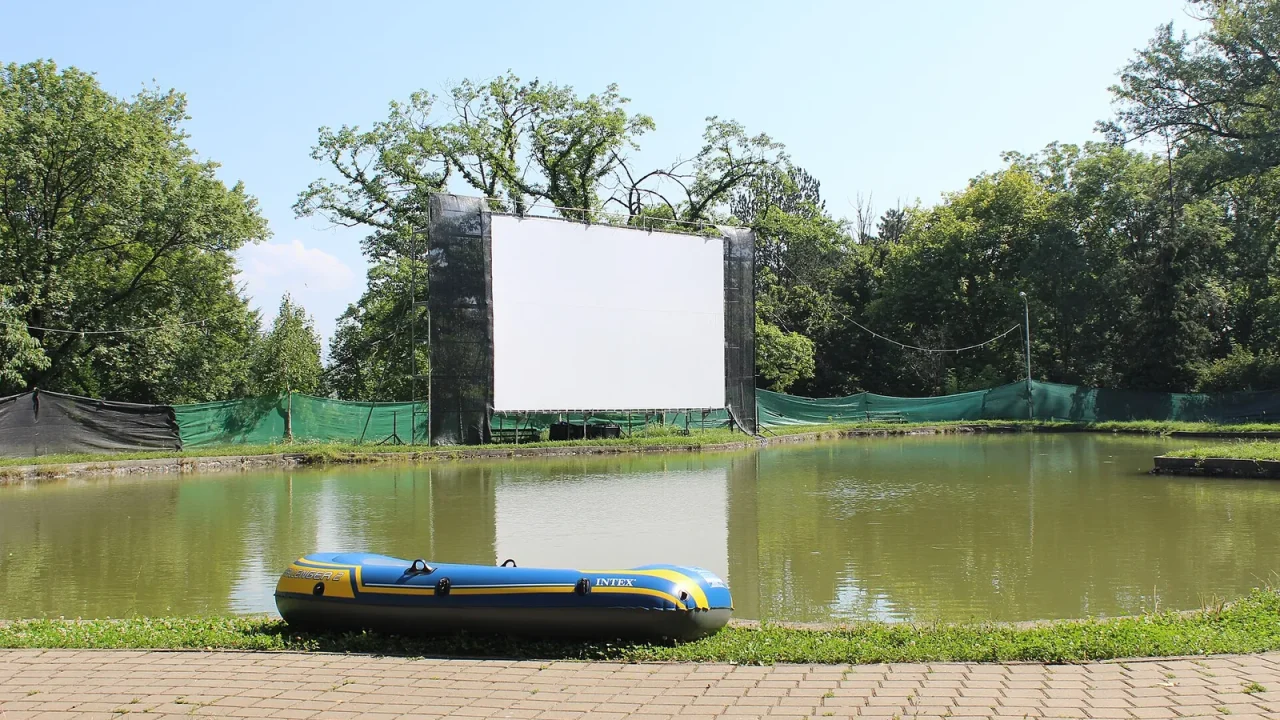
An outdoor movie night needs five things: a flat, smooth screen surface, a projector or large display, clear sound, comfortable seating and a plan for weather. Get those right and a backyard or park becomes a surprisingly good cinema for a small crowd.
Choose the Right Spot
Look for level ground with few overhead lights. Street lamps, porch lights and bright windows wash out a projected picture, so the darker the surroundings, the better the image. Also consider where the sound will travel, and be thoughtful about neighbors by setting a reasonable volume and finishing at a considerate hour.
Make sure there is a safe power source nearby, and keep cables out of walkways. Taping or covering cords prevents trips in the dark.
Screen Options
A dedicated screen
Inflatable and frame screens are designed for this job. They are flat, evenly colored and easy to angle toward your audience.
A homemade surface
A clean, pale, matte sheet stretched tight and free of wrinkles can work for casual evenings. Wind is the enemy, so secure all edges firmly.
A wall
A plain light-colored wall is the simplest option, provided it is smooth and not glossy.
For more on equipment, see our walkthrough on how to set up a home projector, which covers placement, focus and image size.
Sound Matters More Than You Think
Open air swallows sound. Small built-in speakers rarely cope, so plan on external speakers placed near the audience rather than beside the projector. Aim them toward seating and keep dialogue clear instead of simply loud. Test with a quiet scene before guests arrive, and again after dark when the air changes.
Seating and Comfort
- Folding chairs, blankets and floor cushions for a mix of positions.
- Extra layers, since evenings can cool quickly.
- Insect protection suited to your area.
- Small tables or trays for drinks and snacks.
- A few dim, low lights to mark paths without hitting the screen.
Plan for the Weather
Check the forecast early and make a backup call. Moisture and rain can damage electronics, so keep equipment covered until you need it, and move indoors at the first sign of trouble. A simple indoor plan, like turning your living room into the venue, saves the evening. Our guide to hosting a movie night at home can help with that fallback.
Setup Timeline
| Task | When | Notes |
|---|---|---|
| Check forecast and pick backup | Day before | Decide on an indoor option |
| Position screen and projector | Late afternoon | Secure against wind |
| Run power and sound | Before dusk | Cover or tape cords |
| Test picture and audio | At dusk | Adjust focus and volume |
| Seat guests and start | After dark | Offer blankets and snacks |
Selecting the Film
Outdoor viewing favors films with clear visuals and easy-to-follow sound. Very dark scenes or whispered dialogue can be hard to enjoy outside, so choose something with bright imagery and strong storytelling. Check the age rating if children will be present, and see our explainer on film age ratings for help.
Think about the neighbors and the surroundings
Open-air sound travels farther than you expect. Let nearby neighbors know about your plan ahead of time, keep the volume reasonable and aim speakers toward your audience rather than outward. A friendly heads-up usually earns goodwill, and it avoids awkward complaints in the middle of a scene.
Look around for hazards too. Uneven ground, garden tools, sprinklers and low branches are all easier to spot in daylight than in the dark. Tidy the area before guests arrive and mark any steps with a soft, low light.
Improve the picture
A few simple tricks go a long way. Angle the screen slightly toward the seating, raise it off the ground so people in the back can see, and place the projector at a steady height on a stable table. Check focus once it is dark, because the picture often looks different from how it did at sunset.
If the evening turns breezy, weigh down the screen from behind and never leave it unsupported. Pack up carefully at the end, since dew and damp can settle quickly on equipment left outside overnight.
Final Checklist
- Flat, dark location with safe power.
- Screen secured and wrinkle-free.
- Projector focused and sound tested.
- Blankets, seating and insect protection ready.
- Weather backup planned.
This is general information only. Showing films at public or ticketed events can involve licensing rules, so check with official sources, and follow local guidance on electrical safety and noise.
Frequently Asked Questions
What can I use as an outdoor screen?
A purpose-made screen works best, but a smooth, light-colored sheet pulled tight or a plain pale wall can also work.
When should I start an outdoor film?
Wait until it is dark enough for the image to look bright and clear, which depends on your location and the season.
Do I need permission for a public showing?
A private gathering at home is different from a public or ticketed event. Check licensing rules with official sources before showing films to the public.
How do I keep guests comfortable outside?
Provide blankets, seating, insect protection and a nearby indoor space in case the weather turns.