How to Keep a Film Journal
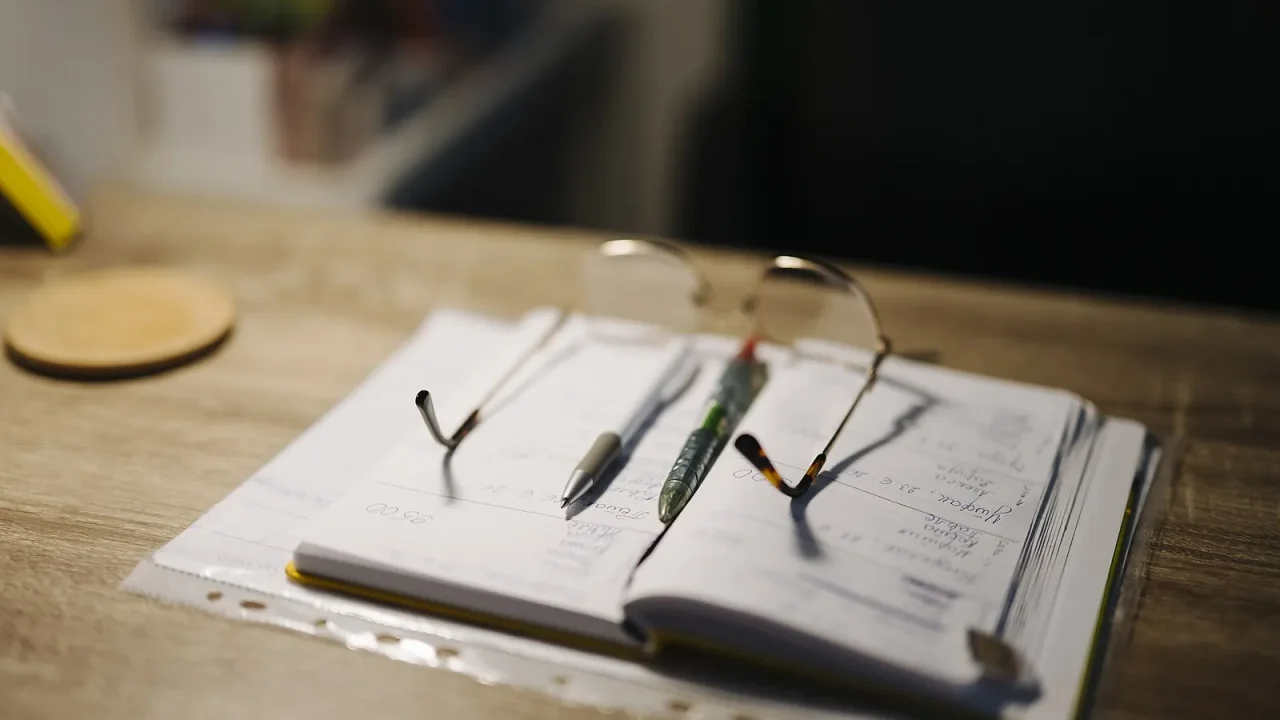
To keep a film journal, pick a notebook or app, and after each film or episode write down the title, the date and a few honest sentences about what you felt and noticed. That small habit, repeated, becomes a record of your taste and a pleasant way to remember what you watched.
Why Bother Writing It Down
Most of us forget details quickly. Months later we recall that we liked something but not why, or we start a film only to realize we have seen it. A journal solves this, and it also nudges you to think a little more while you watch.
It can also reveal patterns. You may discover that you enjoy slow dramas more than you assumed, or that you rate comedies higher on weekends.
Choose a Format You Will Use
The best format is the one that survives a busy week. Compare a few common options.
| Format | Strengths | Drawbacks |
|---|---|---|
| Paper notebook | Personal, no distractions, satisfying to flip through | Harder to search |
| Notes app | Quick, searchable, always with you | Easy to be distracted by other apps |
| Spreadsheet | Great for sorting and comparing | Feels less reflective |
| Index cards | Small, one film per card | Needs a box and some order |
If you plan to track what you intend to watch as well, pair your journal with a list, as described in building a watchlist you will actually use.
What to Record
Begin with a simple template and add more only if you want to. Consistency matters more than detail.
Basic entry
- Title and year, if you know it.
- Date you watched and where.
- Who you watched with, if anyone.
- A rating in any system you like, even a simple smiley.
- Two or three sentences on what stood out.
Extra prompts for a richer entry
When you have more time, try one of these.
- Which scene would I rewatch first?
- What did the music or sound do for the mood?
- How did my opinion change from start to finish?
- Who would I recommend this to, and why?
- What did it remind me of?
If you want vocabulary for your notes, our guides to camera shot types and color grading can help you describe what you saw.
Make It a Habit
Write while the film is fresh. Even two minutes after the credits captures a lot. Keep the notebook near the sofa, or set a reminder on your phone so you do not rely on memory.
Do not aim for perfect writing. The journal is for you. Misspellings, incomplete thoughts and blunt opinions are all welcome.
Handling gaps
You will skip weeks. That is fine. Resume with the next film and do not try to fill in everything you missed.
Using Your Journal Later
Flip through old entries now and then. You might spot recurring themes, favorite genres or directors you keep returning to. Those clues make choosing something new much easier.
A journal is also a handy conversation tool. Bring it to a gathering and it becomes a source of recommendations, or a prompt for discussing a film, as covered in how to talk about a film after watching.
Getting started checklist
- Pick one format and keep it within reach.
- Write a basic entry for your next film.
- Add one prompt when you feel like it.
- Review your entries monthly or whenever you like.
- Adjust the template if it feels like a chore.
If you enjoy a more creative approach, you can add small touches. Some people stick in a ticket stub, sketch a favorite scene, or copy down a line of dialogue that stayed with them. Others write a single sentence summing up the film without naming it, as a puzzle for their future selves.
You might also keep a section at the back for films you want to see, with a note on who recommended each one. That way your journal becomes both a memory book and a plan, and you always have something ready when it is time to choose.
Consider a monthly look back as well. Choose a favorite, a surprise and a disappointment, and write a line about each. This small ritual turns a pile of entries into a story about your viewing year, and it makes the next month’s choices feel more deliberate.
Start with just one entry. The habit grows from there.
This article offers general information only and is not medical advice. For personal concerns about memory, mood or wellbeing, please consult a qualified health professional or your official local health authority.
Frequently Asked Questions
What should I write in a film journal?
Note the title, when you watched, a rating or feeling, and a few sentences about what stood out. Anything beyond that is a bonus.
Should I use paper or a digital app?
Either works. Paper feels personal and distraction-free, while digital notes are searchable. Choose whichever you will open regularly.
How long should each entry be?
Short is fine. A few lines written within minutes of finishing capture most of what you will want to remember.
Do I have to write about everything I watch?
No. Log only what you want to remember. A journal that feels like a chore is unlikely to last.